4.7MSciencePhilosophyHistory
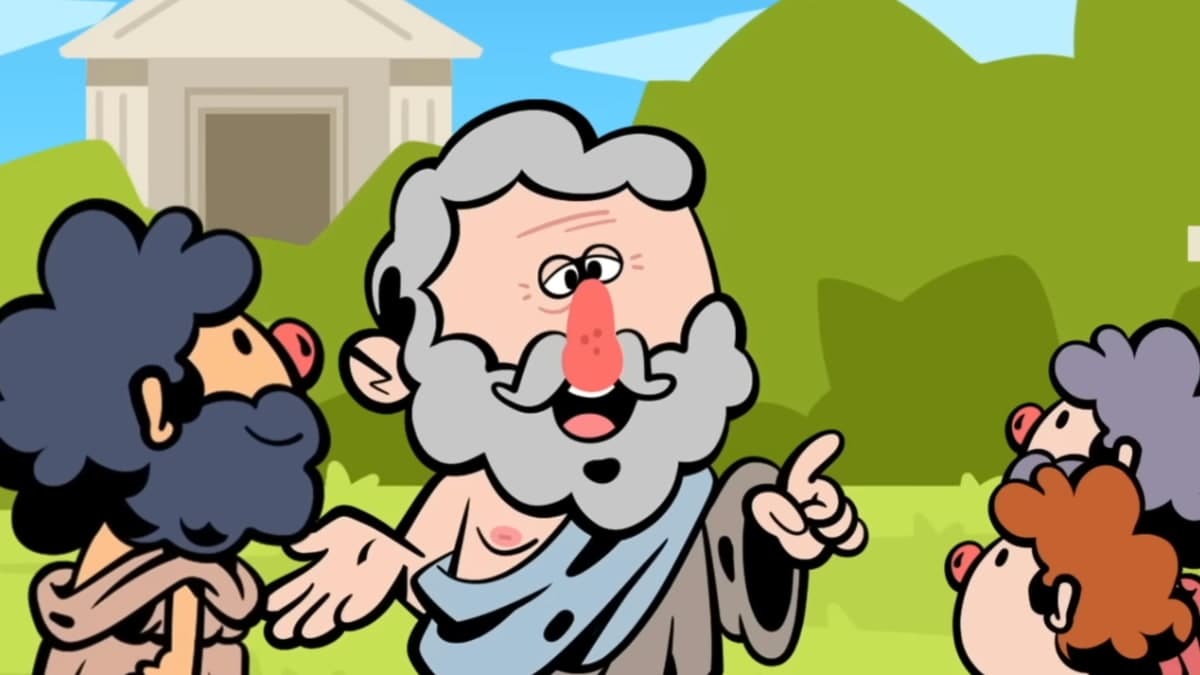
Short animated videos answering big questions about science, psychology, and philosophy.
None of these channels were made for Spanish learners. They're made by native speakers, for native speakers. But that's the point - you eventually have to graduate from learner content to the real deal.
Of course, there are thousands of excellent Spanish-speaking YouTube creators. I hope you'll explore and find channels that you love, but here are some of my favorites across a broad range of topics. If these still feel too hard, check out my favorite comprehensible input channels instead.
Short animated videos answering big questions about science, psychology, and philosophy.
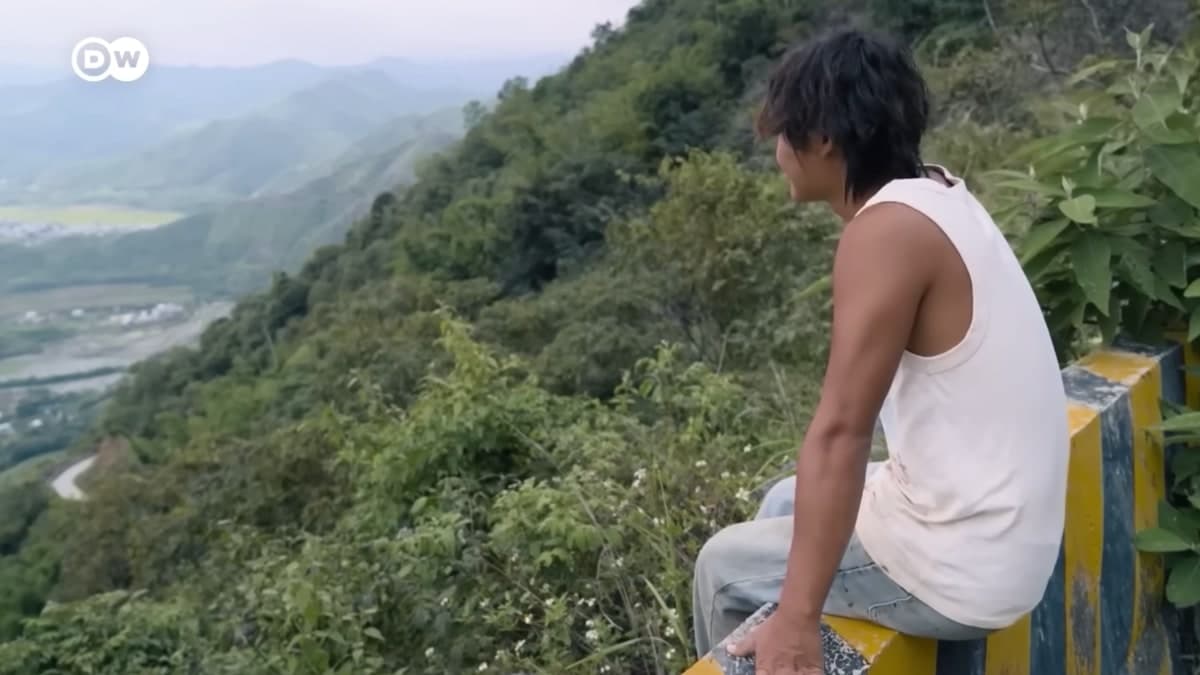
Full-length documentaries from Germany's public broadcaster, narrated in Spanish - on history, nature, science, and the state of the world.
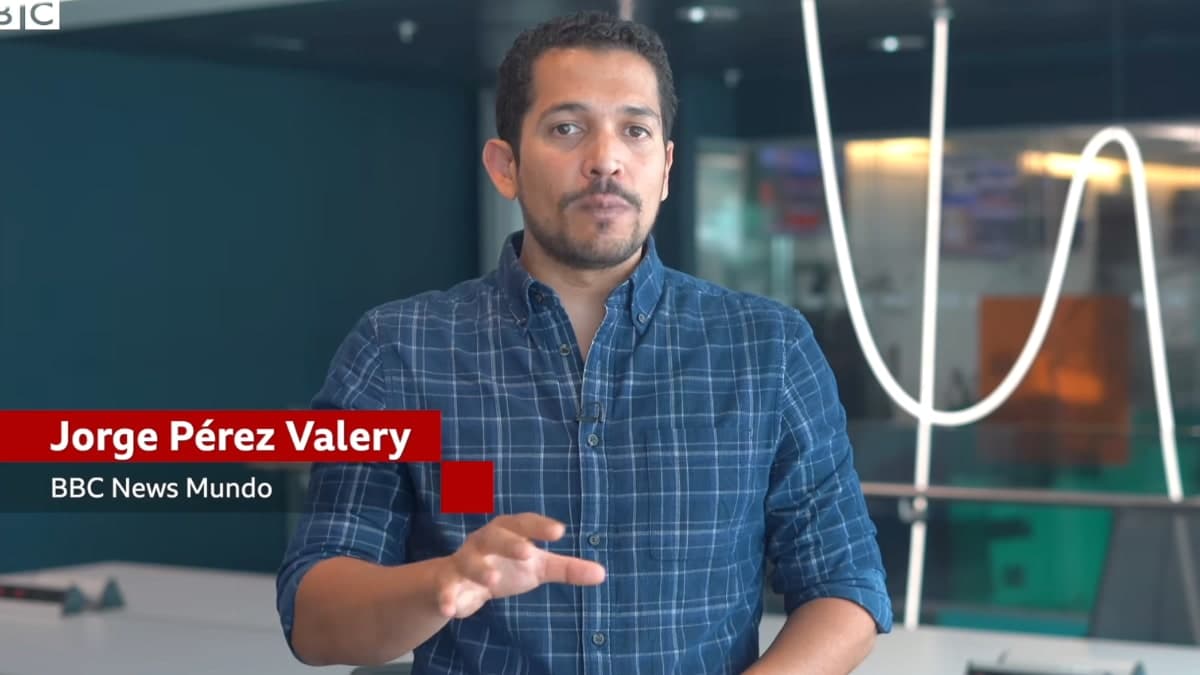
The BBC's Spanish-language service, with reporters from all over Latin America. My favorite source for Spanish-language news.
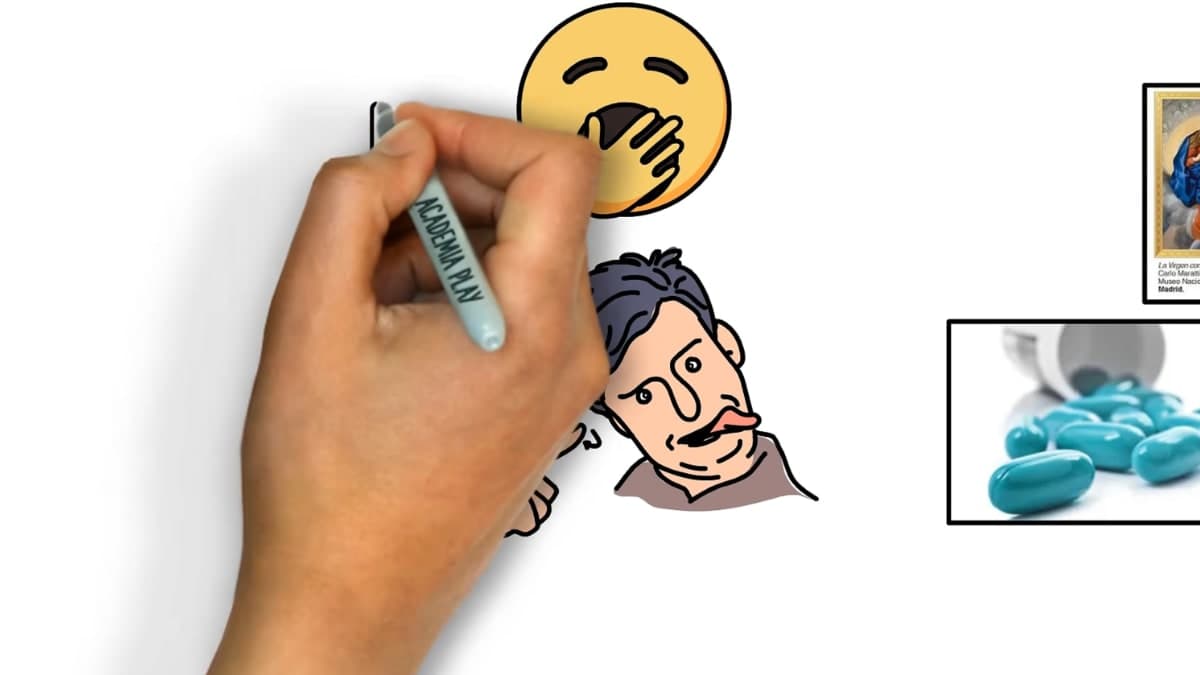
Short history lessons accompanied by white board animations that make it easier to follow along.
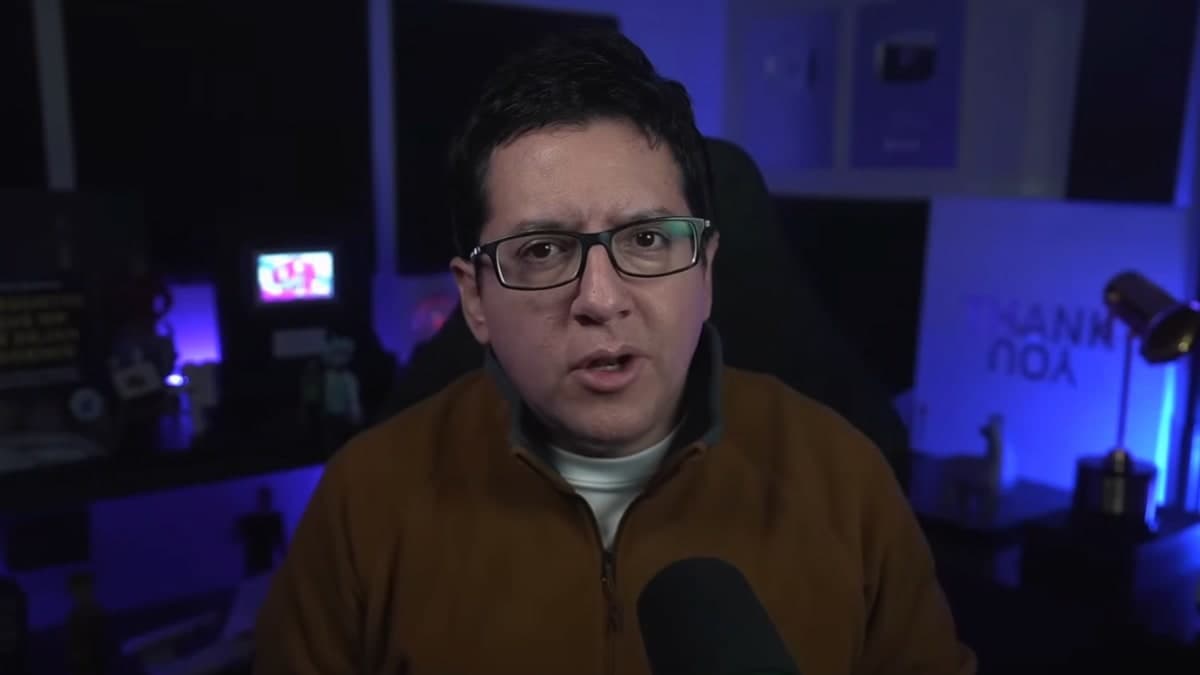
Aldo Bartra explores fun physics questions in clear Peruvian Spanish. He keeps things interesting with lots of illustrations and video clips.
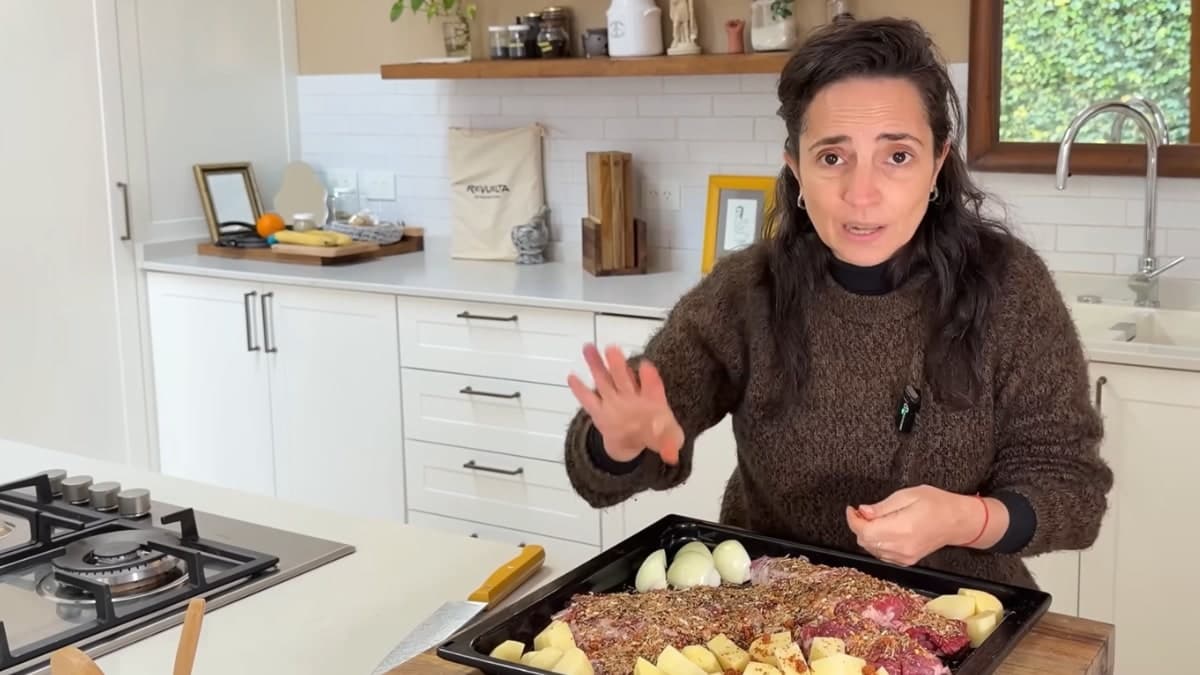
Easy home cooking narrated like you're chatting with a friend in the kitchen.
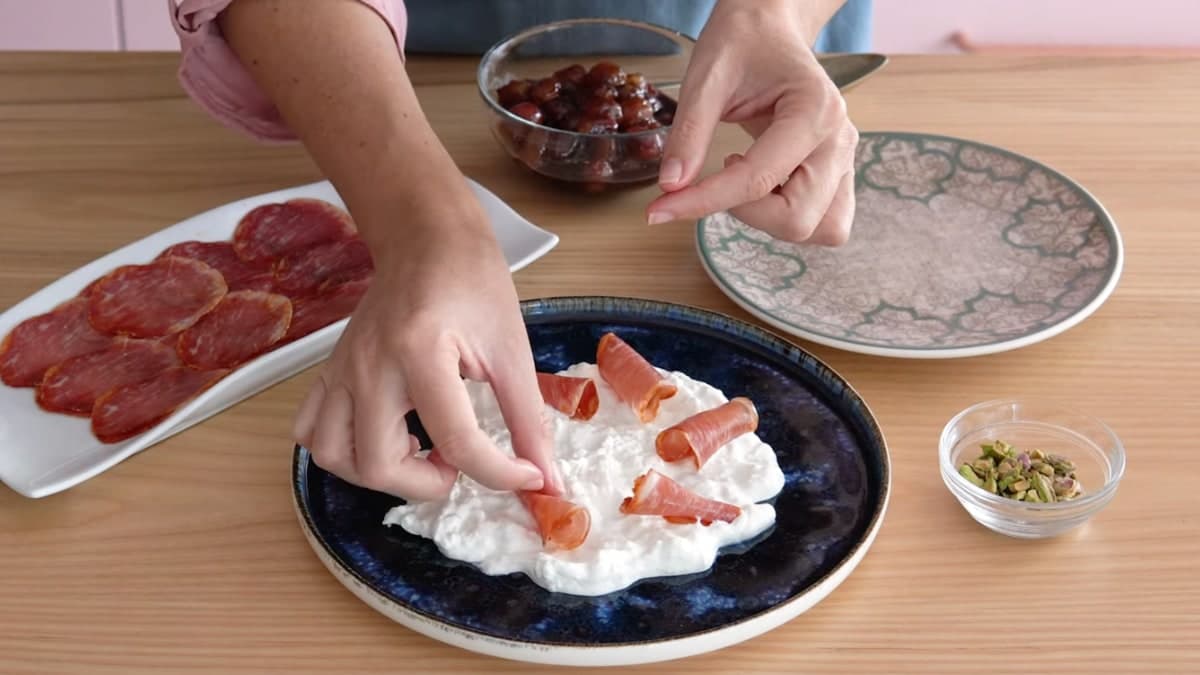
Manuel and Natalia cook everyday Spanish recipes in well-shot videos that always make the food look incredible.
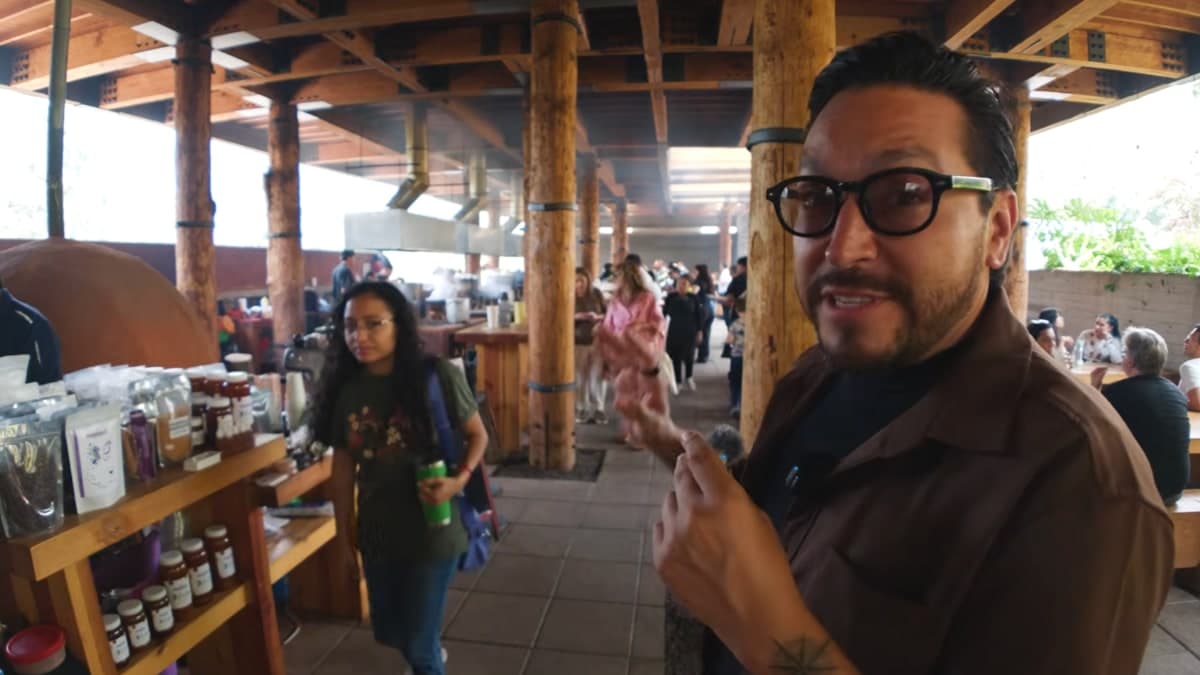
Street food tours across Mexico that are often more focused on the people and culture than the food itself. Lots of unscripted conversations and interviews.
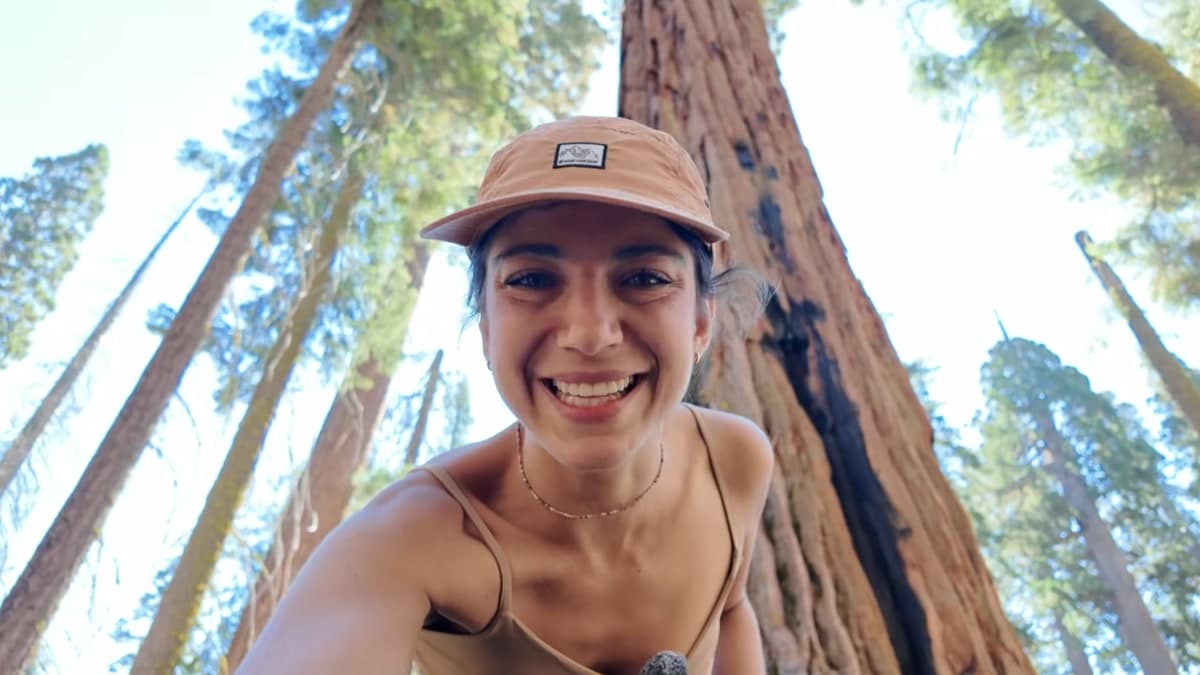
A charismatic Colombian traveling Latin America with her partner. A great way to see real life and culture across Latin America with insights from a continental local.
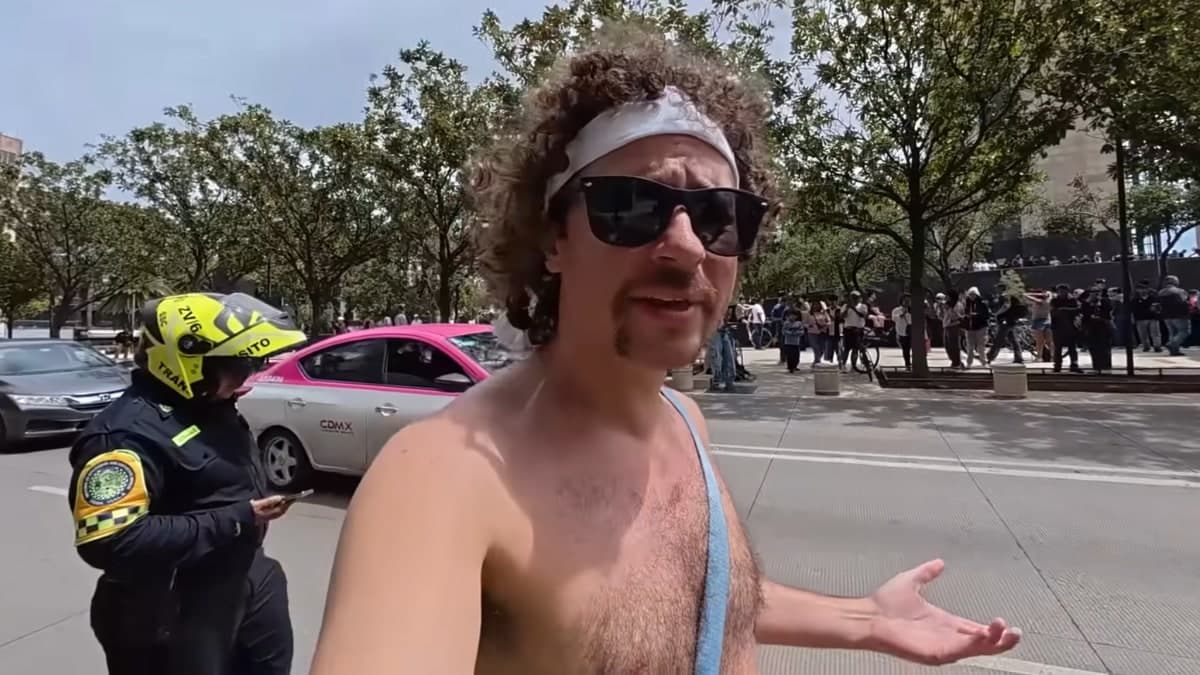
One of the biggest Spanish-language channels on YouTube: a Mexican traveling the world, trying the strangest food, and visiting the strangest places he can find.
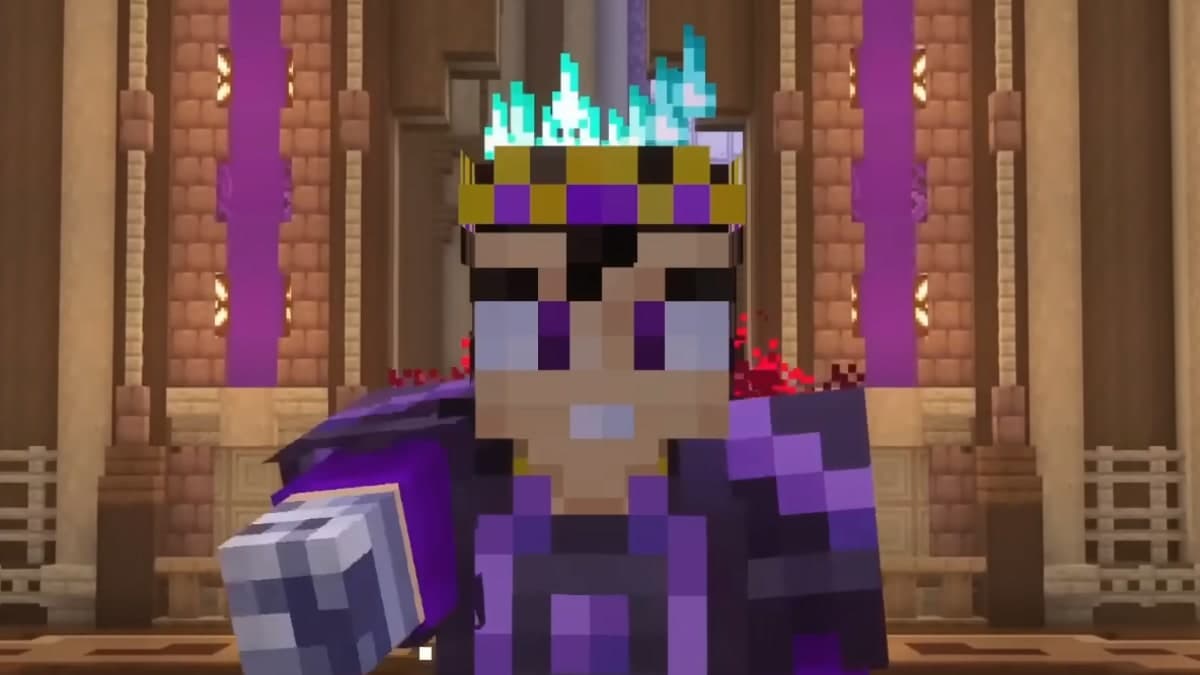
One of the biggest gaming YouTubers in Europe, and an accidentally perfect resource: he narrates everything he does while he plays. He frequently plays games with his friends, leading to lots of unscripted, slang-filled conversation.
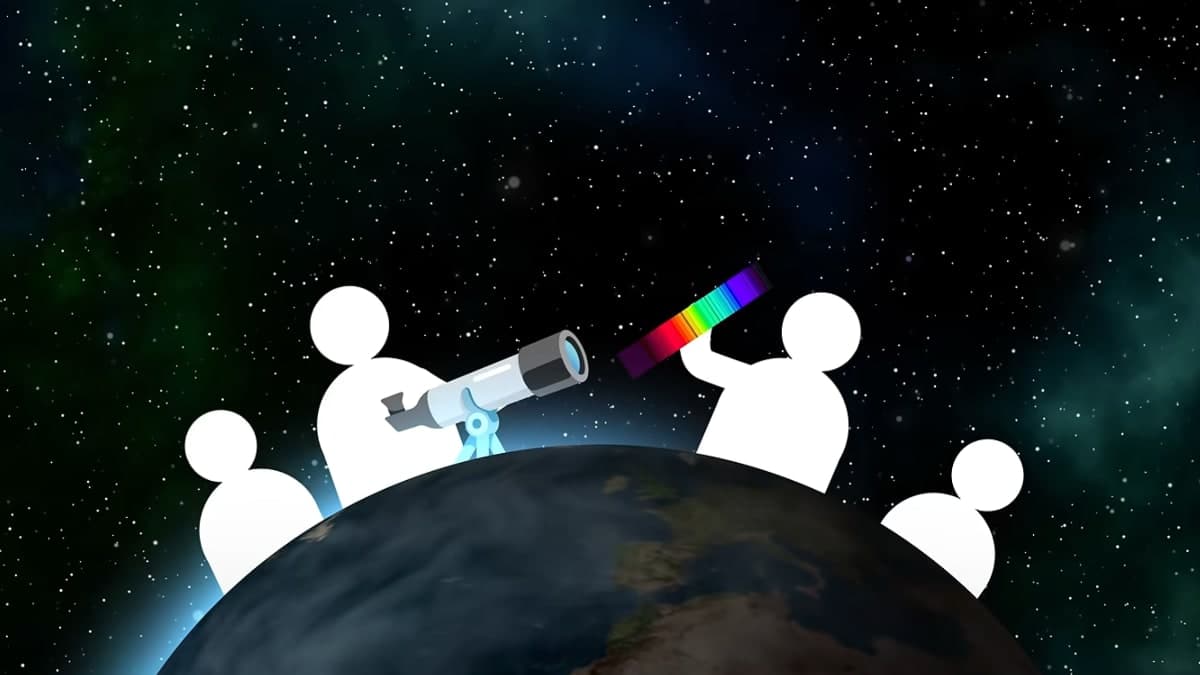
A fun science channel with lots of animations, dedicated to answering questions like what would happen if we played football at the speed of light.
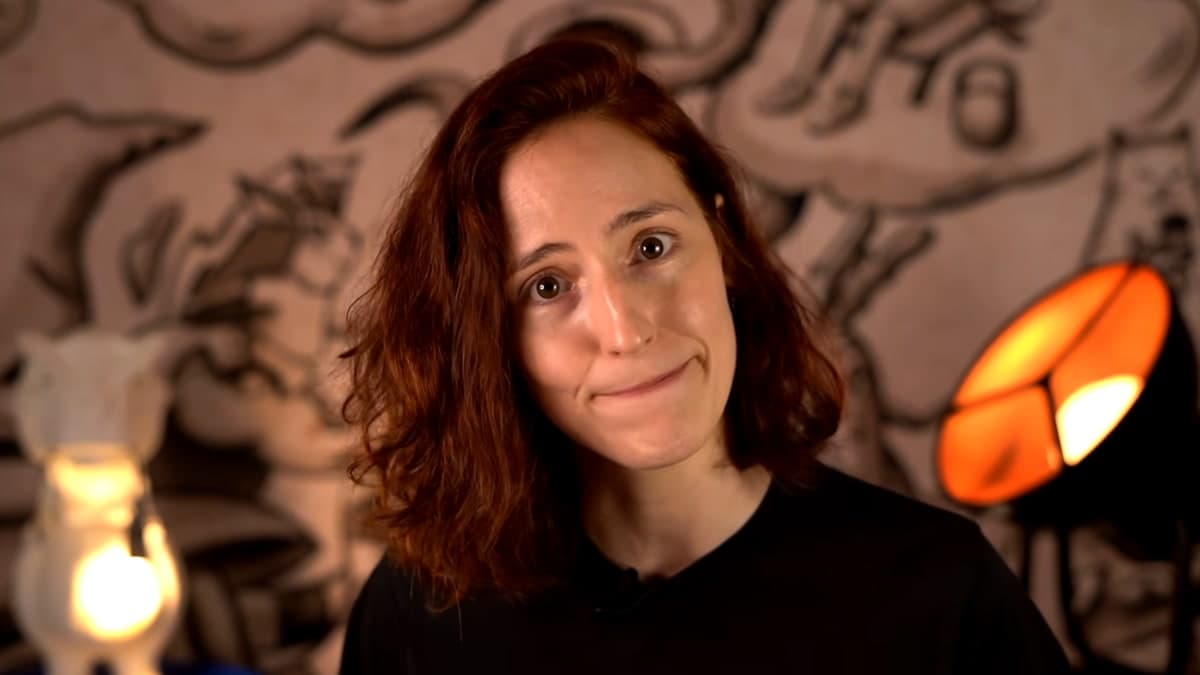
If you're on this page, you're likely a language nerd and will love this channel. Elena dives into curiosities of Spanish grammar and etymology. Since it's targeted at native Spanish speakers, she often offers insights that you wouldn't normally find in a typical Spanish classroom.
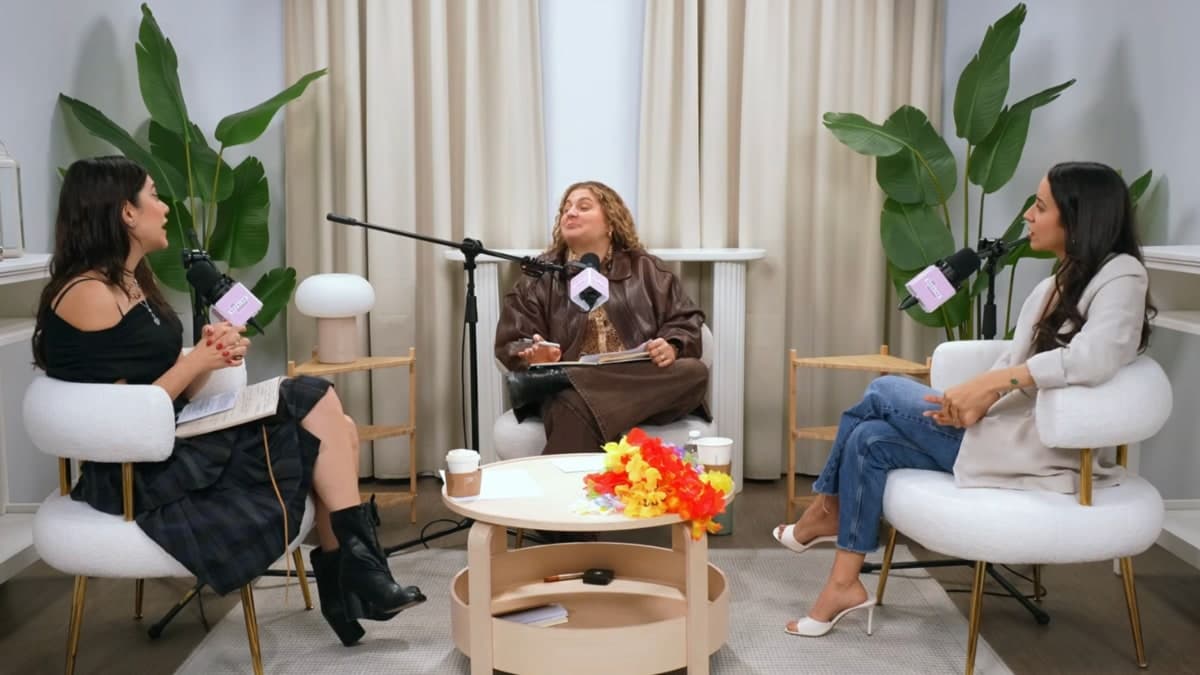
This one is actually recorded as a podcast, but as one of the most listened-to shows in Latin America, it's an excellent source of real, unscripted Spanish about family, relationships, and daily life.
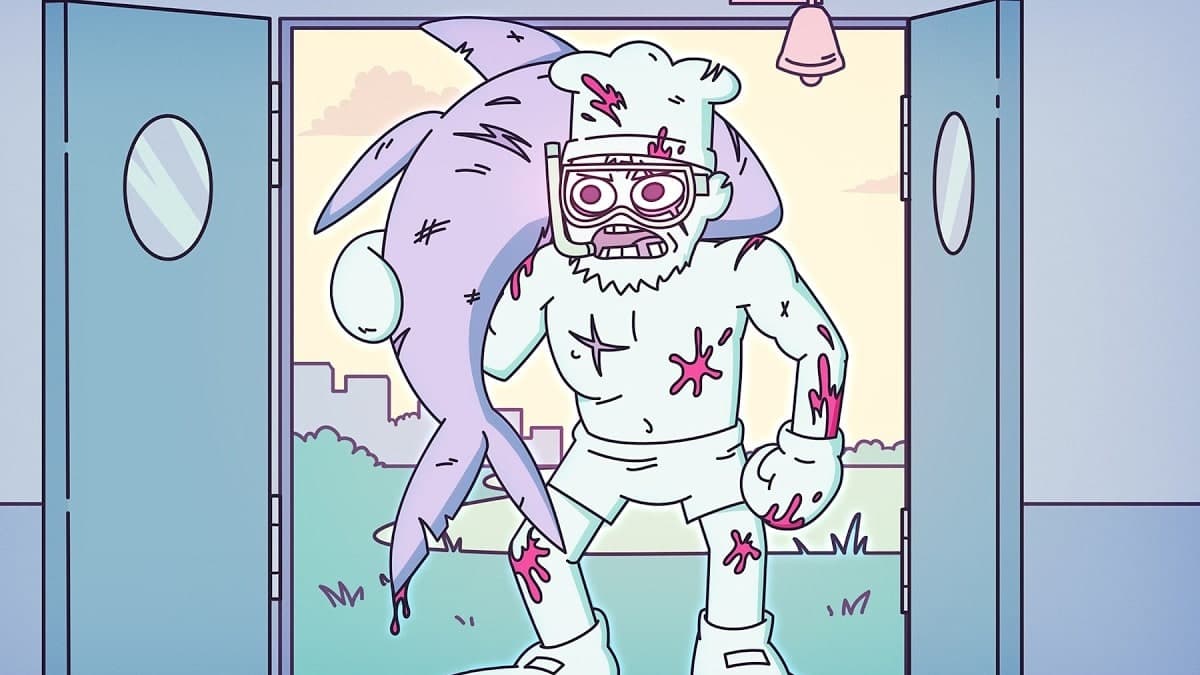
Fun animations about what the world would be like if it were missing something important (like art, internet, or mouths).
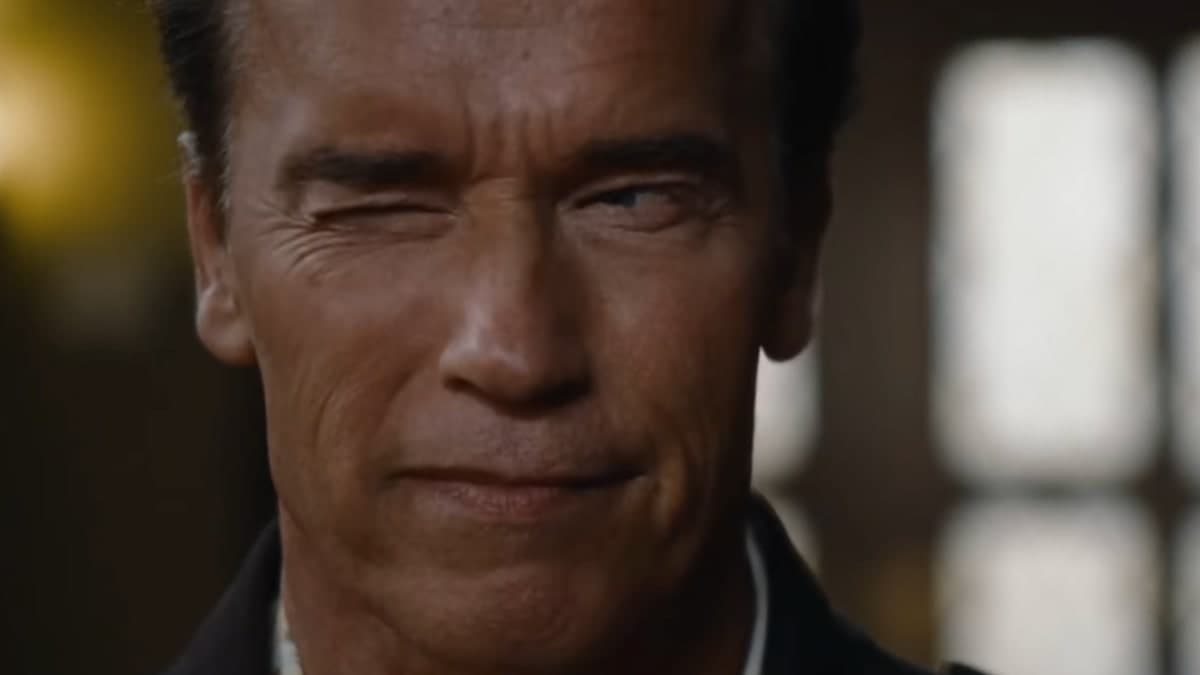
Jorge summarizes whole movies and TV series, relentlessly mocking everything about them.
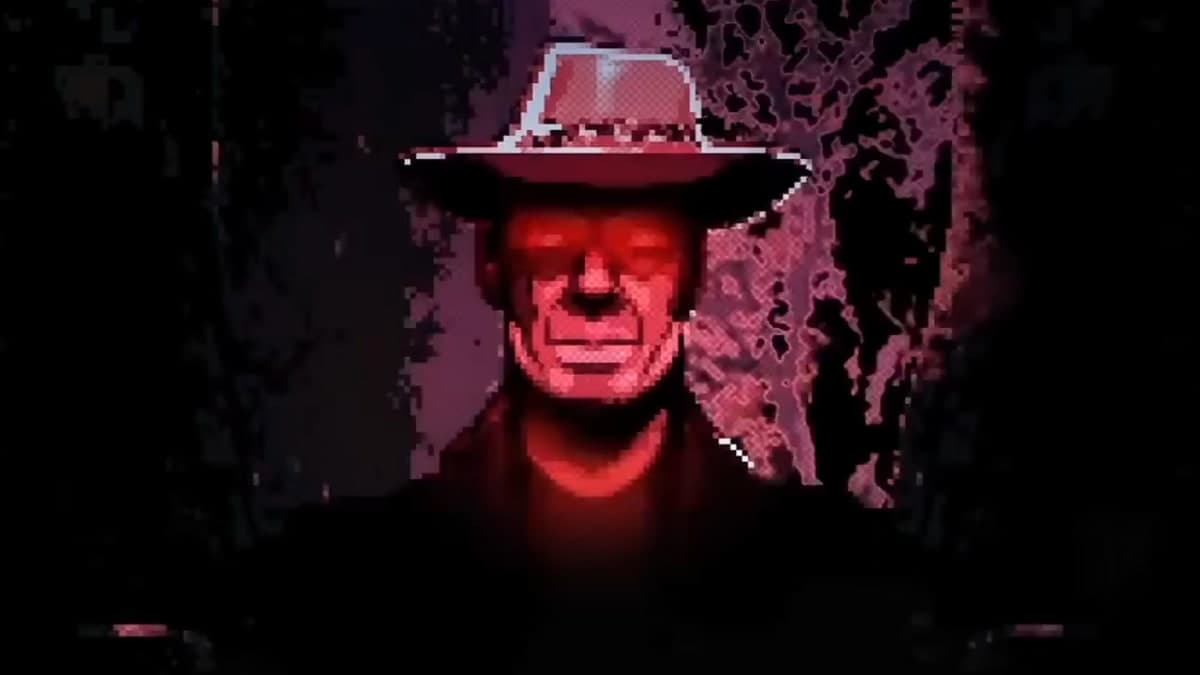
The biggest horror channel in Spanish: unsolved mysteries, creepy true stories, and unexplained events.

Short, absurd comedy sketches from Ecuador, and genuinely funny. Probably the hardest thing to understand on this list since skits are often filled with cultural references and slang.
If you are finding native content completely incomprehensible, it's probably not super helpful to keep banging your head against it. There is an entire genre of all-Spanish content made for learners that is intentionally slowed-down and simplified to be easier for learning. I made another page covering my favorite Spanish comprehensible input channels, and another on podcasts made for Spanish learners.
Partly because they are, but mostly because native speakers blur words together. Spanish links the end of one word to the start of the next, so "¿qué es esto?" comes out closer to one word than three. Learner content separates the words for you; native content doesn't. The only real fix is lots of listening, until your ear learns to split the stream on its own.
Spanish subtitles are very helpful here, especially for fast speakers and unfamiliar accents. Avoid English subtitles - you'll end up reading instead of listening. Most of these channels have Spanish captions, whether written by the creator or generated automatically.
Tip
Trying to follow all these cool new Spanish channels on your default YouTube account can be a headache. It's going to mess up your algorithm, and you're going to immediately get distracted every time you want to study Spanish.
I recommend creating a new YouTube account specifically for your Spanish content and switching to it from your main account. The nice side effect is an algorithm optimized for learning Spanish that will recommend interesting new Spanish channels to you.